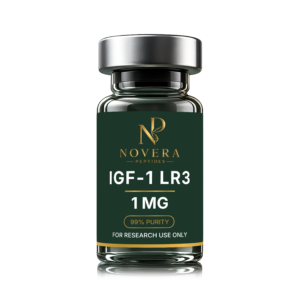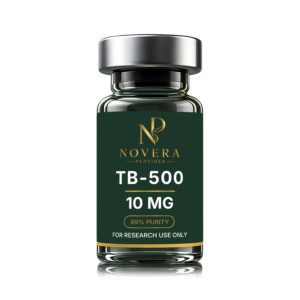
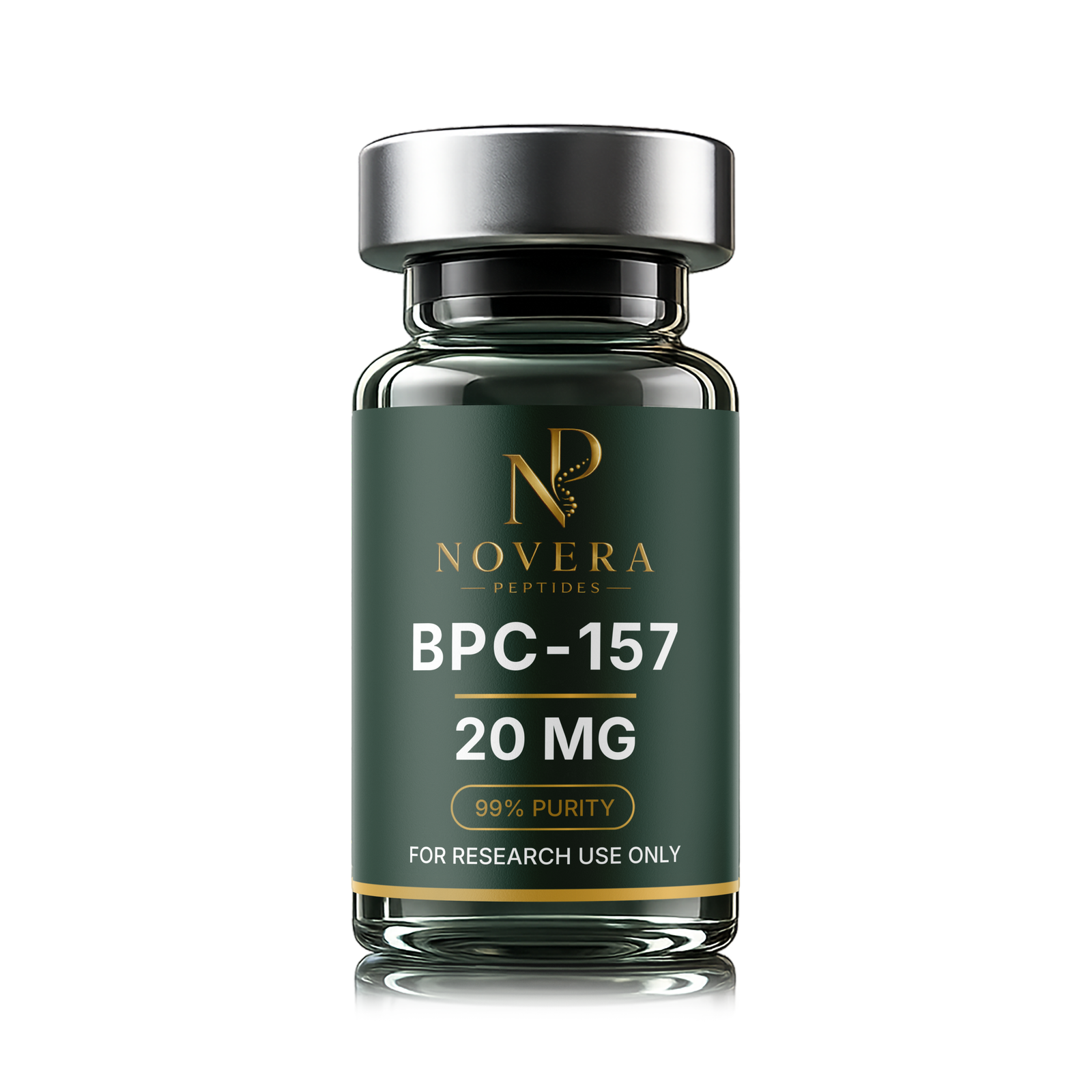

BPC-157

BPC-157 is an investigational laboratory compound extensively studied for its role in cellular signaling, tissue physiology, vascular biology, and regenerative research. Scientific investigations continue to explore its interaction with connective tissue, gastrointestinal biology, and molecular communication pathways within controlled laboratory environments. For laboratory research use only.

$55.00

vERFIED
PURITY

Secure
Payment

Third-party
Tested

Research Use Disclaimer

Research Use Only: All products offered are intended strictly for laboratory research purposes. Products are not for human consumption and are not intended for diagnostic, therapeutic, or medical use. By purchasing from our website, customers confirm they are qualified researchers or laboratories and understand the intended research-use designation.

BPC-157 20 mg

Research Highlights

  • Cellular signaling research
  • Tissue physiology investigation
  • Angiogenesis research
  • Gastrointestinal biology studies
  • Connective tissue research
  • Regenerative biology investigation

BPC-157 is an investigational laboratory compound that has attracted significant scientific interest because of its interaction with cellular communication pathways involved in tissue biology, angiogenesis, and regenerative processes. Researchers continue to investigate its biological activity across multiple experimental models to better understand its role in cellular adaptation and physiological regulation.

Current scientific literature has explored BPC-157 in laboratory studies involving connective tissue physiology, gastrointestinal biology, vascular signaling, and molecular communication, making it one of the most extensively investigated research materials in regenerative science.

Introduction

Cellular repair and tissue maintenance depend upon highly coordinated biological signaling networks that regulate communication between cells, blood vessels, and surrounding extracellular structures. BPC-157 has become an important area of scientific investigation because of its relationship with these complex biological systems.

Researchers continue to study how these signaling pathways influence tissue physiology, cellular adaptation, vascular biology, and molecular communication under controlled laboratory conditions.

Cellular Repair Research

Laboratory investigations have evaluated BPC-157 for its interaction with signaling pathways involved in normal cellular repair processes. Researchers continue to examine how cellular communication networks respond during experimental models involving tissue physiology and biological adaptation.

These investigations contribute to a broader understanding of how cells coordinate repair mechanisms and maintain normal biological function within controlled research environments.

Tissue Regeneration Research

Scientific interest in BPC-157 extends to studies involving connective tissue physiology, extracellular matrix biology, and regenerative signaling pathways. Investigators continue examining how cellular communication contributes to tissue organization, structural integrity, and biological remodeling.

Ongoing laboratory research seeks to better understand the molecular mechanisms responsible for tissue adaptation across multiple experimental models.

Angiogenesis Research

Angiogenesis, the formation and regulation of blood vessel networks, remains an important area of biological research. BPC-157 has been investigated for its relationship with vascular signaling pathways involved in endothelial communication and microvascular physiology.

Researchers continue to explore how vascular biology interacts with tissue physiology and cellular communication under controlled laboratory conditions.

Gastrointestinal Research

BPC-157 has also been extensively investigated in laboratory models involving gastrointestinal physiology and epithelial biology. Scientific studies continue to evaluate how biological signaling pathways contribute to normal gastrointestinal function and tissue organization.

Current investigations focus on molecular communication systems that regulate cellular activity within gastrointestinal research models.

Current Areas of Scientific Interest

  • Cellular signaling pathways
  • Connective tissue physiology
  • Angiogenesis and vascular biology
  • Gastrointestinal biology
  • Extracellular matrix research
  • Cellular adaptation mechanisms
  • Regenerative biology
  • Inflammatory signaling pathways
  • Molecular communication systems
  • Laboratory tissue physiology

Research Considerations

Scientific findings involving BPC-157 should always be interpreted within the context of experimental methodology, study design, and laboratory limitations. While published research continues to expand scientific understanding of cellular signaling and regenerative biology, additional investigation remains necessary to further characterize its biological activity across multiple research models.

As with all investigational laboratory materials, conclusions should be based on peer-reviewed evidence generated under controlled scientific conditions.

Laboratory Research Notice

This product is supplied exclusively for laboratory research, analytical testing, and scientific investigation. It is intended only for qualified research professionals operating within appropriate laboratory environments.

This product is not intended for human consumption, veterinary use, diagnosis, treatment, prevention, or cure of any disease.

For laboratory research use only. Not for human or animal consumption.
Lorem ipsum dolor sit amet, consectetur adipiscing elit. Ut elit tellus, luctus nec ullamcorper mattis, pulvinar dapibus leo.

Lab Report
Date Added :
07/12/2026

BPC-157 20 mg

Research Highlights

  • Cellular signaling research
  • Tissue physiology investigation
  • Angiogenesis research
  • Gastrointestinal biology studies
  • Connective tissue research
  • Regenerative biology investigation

BPC-157 is an investigational laboratory compound that has attracted significant scientific interest because of its interaction with cellular communication pathways involved in tissue biology, angiogenesis, and regenerative processes. Researchers continue to investigate its biological activity across multiple experimental models to better understand its role in cellular adaptation and physiological regulation.

Current scientific literature has explored BPC-157 in laboratory studies involving connective tissue physiology, gastrointestinal biology, vascular signaling, and molecular communication, making it one of the most extensively investigated research materials in regenerative science.

Introduction

Cellular repair and tissue maintenance depend upon highly coordinated biological signaling networks that regulate communication between cells, blood vessels, and surrounding extracellular structures. BPC-157 has become an important area of scientific investigation because of its relationship with these complex biological systems.

Researchers continue to study how these signaling pathways influence tissue physiology, cellular adaptation, vascular biology, and molecular communication under controlled laboratory conditions.

Cellular Repair Research

Laboratory investigations have evaluated BPC-157 for its interaction with signaling pathways involved in normal cellular repair processes. Researchers continue to examine how cellular communication networks respond during experimental models involving tissue physiology and biological adaptation.

These investigations contribute to a broader understanding of how cells coordinate repair mechanisms and maintain normal biological function within controlled research environments.

Tissue Regeneration Research

Scientific interest in BPC-157 extends to studies involving connective tissue physiology, extracellular matrix biology, and regenerative signaling pathways. Investigators continue examining how cellular communication contributes to tissue organization, structural integrity, and biological remodeling.

Ongoing laboratory research seeks to better understand the molecular mechanisms responsible for tissue adaptation across multiple experimental models.

Angiogenesis Research

Angiogenesis, the formation and regulation of blood vessel networks, remains an important area of biological research. BPC-157 has been investigated for its relationship with vascular signaling pathways involved in endothelial communication and microvascular physiology.

Researchers continue to explore how vascular biology interacts with tissue physiology and cellular communication under controlled laboratory conditions.

Gastrointestinal Research

BPC-157 has also been extensively investigated in laboratory models involving gastrointestinal physiology and epithelial biology. Scientific studies continue to evaluate how biological signaling pathways contribute to normal gastrointestinal function and tissue organization.

Current investigations focus on molecular communication systems that regulate cellular activity within gastrointestinal research models.

Current Areas of Scientific Interest

  • Cellular signaling pathways
  • Connective tissue physiology
  • Angiogenesis and vascular biology
  • Gastrointestinal biology
  • Extracellular matrix research
  • Cellular adaptation mechanisms
  • Regenerative biology
  • Inflammatory signaling pathways
  • Molecular communication systems
  • Laboratory tissue physiology

Research Considerations

Scientific findings involving BPC-157 should always be interpreted within the context of experimental methodology, study design, and laboratory limitations. While published research continues to expand scientific understanding of cellular signaling and regenerative biology, additional investigation remains necessary to further characterize its biological activity across multiple research models.

As with all investigational laboratory materials, conclusions should be based on peer-reviewed evidence generated under controlled scientific conditions.

Laboratory Research Notice

This product is supplied exclusively for laboratory research, analytical testing, and scientific investigation. It is intended only for qualified research professionals operating within appropriate laboratory environments.

This product is not intended for human consumption, veterinary use, diagnosis, treatment, prevention, or cure of any disease.

For laboratory research use only. Not for human or animal consumption.
Reviews

There are no reviews yet.

Be the first to review “BPC-157”

Your email address will not be published. Required fields are marked *

NOVERA RESEARCH

10% OFF SITEWIDE

Use the code below at checkout.

WELCOME10
SHOP NOW

One-time use per customer. Some exclusions may apply.

Research Access Confirmation

*By continuing, you confirm eligibility and legal compliance.